Contributing Author & Editorial Review
This article was crafted and reviewed by experienced professionals to ensure accuracy and practical insight.


SBA 7(a) & 504 Highlights
- Loan amounts from $100,000 up to $15 million+ (program-dependent).
- Up to 90% financing for eligible acquisitions, real estate, and equipment.
- Use funds for working capital, refinance, expansion, and partner buyout.
- Longer terms (up to 25 years on real estate) to keep payments manageable.
Best Budgeting Methods That Actually Work: Personal Finance Tips for Millennials in 2025
Managing money effectively has never been more crucial for Millennials. Rising living costs, economic uncertainty, and the push for financial independence make smart budgeting a must-have skill in 2025. This complete guide explores the top budgeting methods, actionable steps, practical apps, and regional nuances for major cities like New York City, Dallas, Seattle, and Phoenix. Equip yourself with the tools for smarter financial choices, whether you’re managing student loans or saving for your first home.
- Best Budgeting Methods That Actually Work: Personal Finance Tips for Millennials in 2025
- Why Budgeting Matters in 2025
- Best Budgeting Methods for Millennials
- Comparing Real-World Scenarios Across Major US Cities
- Trending Money Management Strategies in 2025
- Actionable Steps: Create a 2025-Ready Budget
- Common Budgeting Mistakes to Avoid
- 2025 FAQ: Budgeting for Millennials and City-Specific Challenges
- Next Steps: Future-Proof Your Finances
Why Budgeting Matters in 2025
In today’s fast-changing environment—with inflation, interest rate shifts, and the rise of remote work—tracking your money is not negotiable. For Millennials (ages 28-43 in 2025), unique pressures abound: many are balancing student loan repayment, homeownership dreams, and caring for both kids and aging parents. Studies show Millennials in metropolitan areas spend 21% more monthly on housing than previous generations, which amplifies the need for effective budgeting strategies.
Best Budgeting Methods for Millennials
- Zero-Based Budgeting: Every dollar gets a job, eliminating wasteful spending. Perfect for those with variable income streams, like gig workers in Seattle’s booming tech scene.
- 50/30/20 Rule: Allocate 50% for needs, 30% for wants, 20% towards savings and debt. Simple yet effective, especially for first-time budgeters in Phoenix where housing costs average $425,000 (Q1 2025).
- Envelope System: Great for overspenders craving accountability. Use digital envelope apps to manage expenses across categories like dining, utilities, and entertainment. Particularly effective for NYC residents, where food and transport costs often fluctuate.
- Pay-Yourself-First: Prioritize savings and investments by “scheduling” automated transfers at the start of each payday, a crucial tactic in high-income cities like Dallas (median income $72,000).
Comparing Real-World Scenarios Across Major US Cities
1. New York City: Mastering Budgeting in a High-Cost Environment
The median rent in New York City surpassed $3,500/month in early 2025—a record high. NYC Millennials, balancing student loan payments (average outstanding balance: ,000) and daily expenses, often rely on a hybrid of the 50/30/20 Rule and digital tracking for rideshare and dining costs. Apps like YNAB (You Need A Budget) and Mint are local favorites for auto-categorizing expenses and syncing with multiple credit cards.
Need capital? GHC Funding offers flexible funding solutions to support your business growth or real estate projects. Discover fast, reliable financing options today!
⚡ Key Flexible Funding Options:
GHC Funding everages financing types that prioritize asset value and cash flow over lengthy financial history checks:
DSCR Rental Loan
- No tax returns required
- Qualify using rental income (DSCR-based)
- Fast closings ~3–4 weeks
SBA 7(a) Loan
- Lower down payments vs banks
- Long amortization improves cash flow
- Good if your business occupies 51%+
Bridge Loan
- Close quickly — move on opportunities
- Flexible underwriting
- Great for value-add or transitional assets
SBA 504 Loan
- Low fixed rates through CDC portion
- Great for construction, expansion, fixed assets
- Often lower down payment than bank loans
🌐 Learn More
For details on GHC Funding's specific products and to start an application, please visit our homepage:

2. Dallas: Capitalizing on No State Income Tax
With average housing costs just over 5,000 and no state income tax, Dallas Millennials have budget flexibility. However, vehicle ownership costs and rising food prices (grocery inflation up 4.2% YoY) demand disciplined planning. Automating savings via high-yield accounts at Dallas Federal Credit Union helps tackle long-term goals like home purchases and emergency fund growth.
3. Seattle: Budgeting on Tech Salaries and Sky-High Rents
Seattle tech workers earn an average of $140,000, but median 1-bedroom rent in 2025 jumped to $2,400/month. Millennials here often face student debt and high insurance costs. Zero-based budgeting ensures each dollar is allocated, with budgeting apps like Personal Capital enabling tracking investments and cash flow, crucial for future homebuyers saving for down payments averaging $85,000.
4. Phoenix: Stretching Dollars in a Growing Market
Phoenix’s population boom is driving up housing prices and competition. Millennials report using the envelope system digitally (e.g., Goodbudget) to control discretionary spending and manage utility spikes during the summer. Lower local income taxes free up savings capacity—nearly 68% of Millennials here consistently contribute to employer-sponsored retirement plans.
Trending Money Management Strategies in 2025
- Automated Micro-Saving: Apps like Acorns and Digit now offer AI-driven savings tweaks based on real-time spending, reducing friction for “saver burnout.”
- Inflation Tracking: Direct links between digital budgets and inflation indices help users in high-CPI cities (like NYC and Seattle) spot cost spikes and adjust accordingly.
- Side Hustle Integration: Millennials are leveraging gig income (Uber, Upwork, DoorDash) and using new 2025 apps to pre-calculate tax withholdings, integrating extra earnings into overall budgets.
- Retirement Fund Optimization: City-based tailored calculators help Dallas and Phoenix residents plan Roth vs. Traditional IRA choices based on state tax implications and projected income growth.
Actionable Steps: Create a 2025-Ready Budget
- Track Your Spending for 30 Days: Use Mint, YNAB, or your local credit union’s app. For major cities, link transit cards, rideshare, and grocery accounts for real-time visibility.
- Pick a Budgeting Method: Evaluate the 50/30/20 Rule if you crave simplicity; try zero-based if gig income dominates (Seattle/Phoenix).
- Automate Fixed Payments: From rents in NYC to utilities in Phoenix, set auto-pay for key categories—reduces missed payments and late fees.
- Regularly Review and Adjust: Schedule monthly budget reviews—rising rents in New York or fluctuating car insurance in Dallas require constant adjustment.
- Build an Emergency Fund: Aim for 3-6 months of expenses. In Dallas, this often means $12,000–$18,000 due to lower housing costs; in NYC, $20,000+ is common.
- Leverage Local Resources: NYC public libraries offer free personal finance workshops; Dallas and Phoenix credit unions provide budget counseling; Seattle offers free tax prep for Millennials.
Common Budgeting Mistakes to Avoid
- Underestimating Irregular Expenses: Annual insurance payments or vehicle repairs—often missed in Phoenix and Dallas—can derail plans. Add a “miscellaneous” buffer (5% of income) each month.
- Neglecting Savings: NYC Millennials can fall into “paycheck-to-paycheck” cycles due to high rents; automate at least 5–10% of pay to savings regardless.
- Budgeting for ‘Ideal’ Rather Than ‘Actual’: Don’t base numbers on previous years. Seattle’s cost of living increased 7% YoY (2024–2025); budgets must adapt.
2025 FAQ: Budgeting for Millennials and City-Specific Challenges
- What is the best way to start budgeting in 2025?
- Begin by tracking expenses for 30 days using an app, then pick the most manageable method, and start with small, sustainable changes.
- How can Millennials balance student loans and saving for a house?
- Use the 50/30/20 rule, automate minimum loan payments, and funnel raises or windfalls into savings. In Dallas and Phoenix, consider local first-time homebuyer grants.
- Does the cost of living impact which budgeting method to use?
- Yes. NYC or Seattle residents facing high rent may need stricter, zero-based systems. Those in cities with lower costs can effectively use 50/30/20 with more flexibility.
- What are the top apps for budgeting in 2025?
- YNAB, Mint, Goodbudget, Acorns, and Personal Capital, each offering unique features and regional integrations.
- How can gig economy workers create stable budgets?
- Use zero-based or envelope systems to anticipate variable income. Set aside taxes automatically and prioritize an emergency fund of at least 4 months’ income.
Get a Free Rate Today
Compare our top-rated commercial and investment property loan programs below.
- No income verification
- 30-year fixed | Interest-only available
- Great for rental properties + STR
- Fast approvals
- Working capital + business acquisition
- Up to $5M
- Low down payment
- Long-term financing
- Owner-occupied CRE
- Low fixed rates | 25-year terms
- Great for business expansion
- Refinance available
- Best for stabilized properties
- Competitive rates
- 12–25 year terms
- Lower fees than private lenders
Compare Loan Types
Find the Right Financing for Your Real Estate or Business Project
| Loan Type | Best For | Rates | Terms | Highlights | Apply |
|---|---|---|---|---|---|
| DSCR Loan | Rental properties (LTR & STR) | 5.99%+ | 30-year fixed, IO options | No income docs, fast approvals, great for investors | Check My Rate |
| Construction Loan | Ground-up, fix & build, major renovations | 8%–12% depending on scope | 12–24 months interest-only | Flexible draws, great for builders & developers | Get a Quote |
| SBA Loan | Business acquisition, working capital, CRE | Prime + spread | 10–25 years | Lowest down payments, long terms, best for business growth | See My Options |
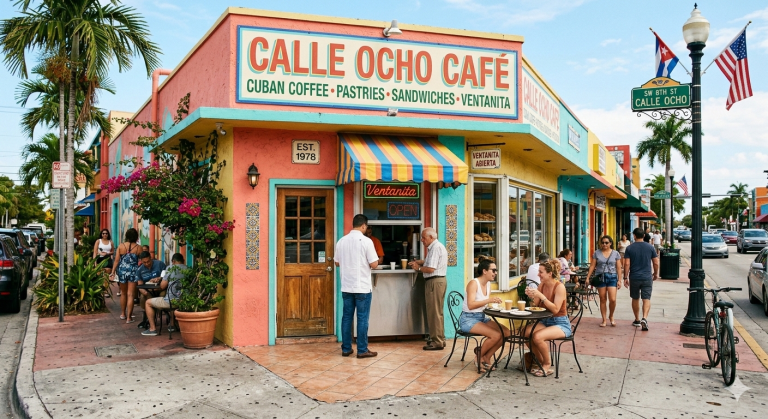
SBA Loan Requirements for Startups in Florida Now
GHC Funding Website Published: March 9, 2026 Categories: blog Reading Time: 3 minutes read Understanding SBA Loan Requirements for Startups in Florida:…
Read more →
“Prompt Engineering” Myth: How to Actually Talk to AI
GHC Funding Website Published: March 6, 2026 Categories: blog Reading Time: 4 minutes read 🗣️ The “Prompt Engineering” Myth: How to Actually…
Read more →
No-B.S. AI Guide to Work Less and Grow More in 2026 Now
GHC Funding Website Published: March 6, 2026 Categories: blog Reading Time: 5 minutes read 🚀 The No-B.S. Guide to AI for Small…
Read more →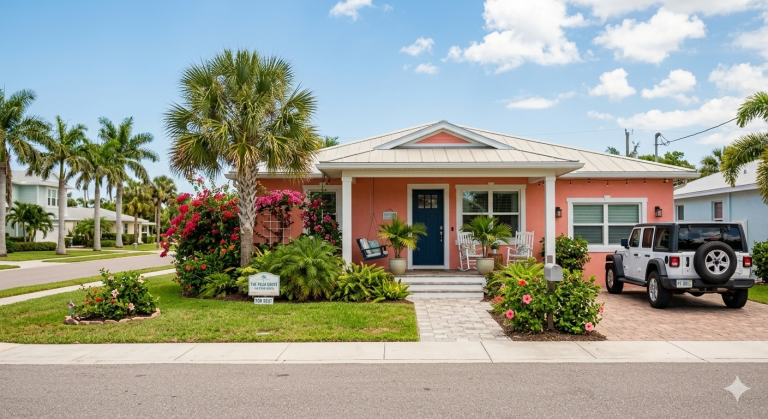
No Doc DSCR Loans for Property in Florida Now
GHC Funding Website Published: March 5, 2026 Updated: March 6, 2026 Categories: blog Reading Time: 3 minutes read Unlocking Investment Potential: No…
Read more →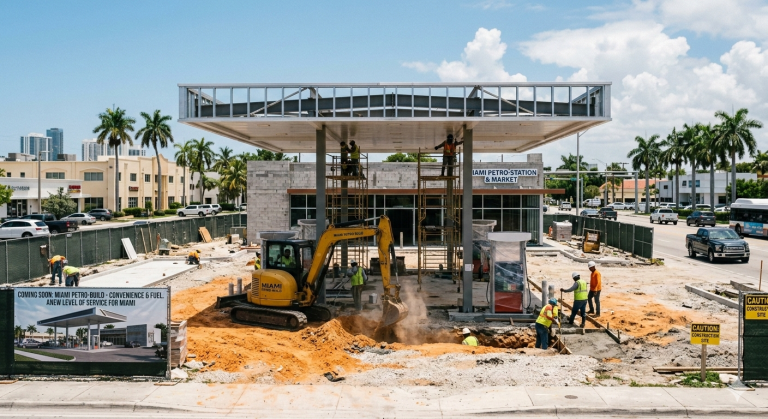
Construction Loan Lenders and Process in Florida Now
GHC Funding Website Published: March 5, 2026 Categories: blog Reading Time: 3 minutes read Unlocking Opportunities: Navigating Construction Loan Lenders in Florida…
Read more →
Get The SBA Express Loan Application in Florida Now
GHC Funding Website Published: March 5, 2026 Categories: blog Reading Time: 3 minutes read Simplifying the SBA Express Loan Application Process in…
Read more →Next Steps: Future-Proof Your Finances
- Assess your current expenses with a 30-day challenge.
- Select and implement a budgeting method tailored to your city and lifestyle.
- Automate savings and repayments, leveraging local credit union or bank incentives.
- Review and refine monthly as conditions—and city-specific costs—change in 2025.
- Engage with local resources: attend workshops, consult credit unions, or join budgeting forums for New York City, Dallas, Seattle, or Phoenix Millennials.
Budgeting isn’t about restriction—it’s about direction. Equip yourself with a plan that matches your goals, your city, and your life stage, and watch your financial confidence grow in 2025 and beyond.
Get a No Obligation Quote Today.

Use these trusted resources to grow and manage your small business—then connect with GHC Funding
to explore financing options tailored to your needs.
GHC Funding helps entrepreneurs secure working capital, equipment financing, real estate loans,
and more—start your funding conversation today.
Helpful Small Business Resources