Contributing Author & Editorial Review
This article was crafted and reviewed by experienced professionals to ensure accuracy and practical insight.

DSCR Rental Loan Highlights
- Qualification based mainly on property cash flow (DSCR).
- No personal income docs required for many programs.
- Financing for 1–8 unit rentals, portfolios, and many STR/Airbnb deals.
- Up to 80% LTV on purchases and 75% LTV on cash-out (program-dependent).
- 30-year fixed and interest-only options available.
BNPL Revolution 2025: How San Jose Consumers Are Using Buy Now, Pay Later for Everyday Purchases
The landscape of consumer spending in San Jose—and across the nation—has undergone a seismic shift in 2025. The Buy Now, Pay Later (BNPL) movement, once the domain of luxury electronics and high-end fitness gear, now permeates daily life. From the aisles of local grocery chains to fast-fashion outlets dotting the city, San Jose residents are leveraging BNPL services for purchases once relegated to pocket cash or debit cards. This comprehensive analysis explores how BNPL ubiquity is transforming everyday spending and consumer attitudes, and the impact it is having on both financial health and local retail ecosystems.
- BNPL Revolution 2025: How San Jose Consumers Are Using Buy Now, Pay Later for Everyday Purchases
- The New Normal: BNPL for Groceries and Clothing
- BNPL Providers’ Push into Everyday Purchases
- Consumer Behavior Changes in San Jose
- Financial and Psychological Implications
- Regulatory Oversight and Consumer Protection
- Local Retail Adoption: The Merchant Perspective
- Actionable Insights for San Jose Consumers and Advisors
- The Road Ahead: BNPL and the Future of Personal Finance in San Jose
The New Normal: BNPL for Groceries and Clothing
San Jose—home to tech innovators and a diverse urban population—has emerged as a proving ground for BNPL expansion. In 2025, leading BNPL providers such as Affirm, Klarna, Afterpay, and even legacy brands like PayPal, have partnered with regional grocery leaders like Safeway and Trader Joe’s, as well as fast fashion retailers in Westfield Valley Fair. Shoppers routinely split $80 food runs into four weekly payments, or defer the cost of a $25 blouse for a month without interest. The seamless integration of BNPL into in-store POS terminals and digital wallets has made deferred finance an afterthought, as frictionless as Apple Pay used to feel.
Key Drivers Behind Grocery Store BNPL Uptake
- Economic Flexibility: Pandemic aftershocks and Silicon Valley living costs have increased demand for flexible cash flow solutions.
- Retailer Adoption: Competition for shoppers’ loyalty pushed big grocers like Safeway, Whole Foods, and even local chains to offer more payment options at checkout.
- Consumer Demand: Survey data from the 2025 California Retail Finance Institute shows over 38% of San Jose shoppers have used BNPL for groceries at least once in the past six months.
- Tech Ubiquity: BNPL is now integrated in Super Bowl ads, neighborhood farmers’ markets, and as an option in all major checkout apps.
BNPL Providers’ Push into Everyday Purchases
Case studies from 2024-2025 highlight how the major BNPL brands have shifted their business model:
Need capital? GHC Funding offers flexible funding solutions to support your business growth or real estate projects. Discover fast, reliable financing options today!
⚡ Key Flexible Funding Options:
GHC Funding everages financing types that prioritize asset value and cash flow over lengthy financial history checks:
DSCR Rental Loan
- No tax returns required
- Qualify using rental income (DSCR-based)
- Fast closings ~3–4 weeks
SBA 7(a) Loan
- Lower down payments vs banks
- Long amortization improves cash flow
- Good if your business occupies 51%+
Bridge Loan
- Close quickly — move on opportunities
- Flexible underwriting
- Great for value-add or transitional assets
SBA 504 Loan
- Low fixed rates through CDC portion
- Great for construction, expansion, fixed assets
- Often lower down payment than bank loans
🌐 Learn More
For details on GHC Funding's specific products and to start an application, please visit our homepage:
- Affirm & Safeway Partnership: Launched in late 2024 across all major Bay Area grocery chains, allowing customers to split payments above $20.
- Klarna & Target: Target’s San Jose stores now accept Klarna for in-person grocery and household purchases, which accounts for a 27% increase in $25-75 basket sizes.
- Afterpay & Forever 21: Even fast-fashion, low-ticket retailers are integrating BNPL, with shoppers now able to ‘wear now, pay later’ for basic wardrobe staples under $30.
- PayPal at Local Markets: Farmers’ markets in Santana Row accept PayPal BNPL—enabling micro-installments for produce and artisan goods.
The Expansion into Gas, Dining, and More
Beyond retail, BNPL is visible at gas pumps (Chevron ExpressPay x Klarna integration), cafes (Blue Bottle Coffee’s BNPL promo for recurring subscriptions), and even for food delivery apps like DoorDash.
Consumer Behavior Changes in San Jose
Spending Patterns: The Shift from Credit to Micro-Credit
A 2025 research briefing by Stanford’s Center for Financial Wellness indicated a 41% year-over-year increase in BNPL transactions for purchases under $50. BNPL platforms have steadily overtaken traditional credit cards in daily use, especially among Gen Z and Millennials—the fastest-growing demographics in San Jose. Key behavioral shifts include:
- Reduction in average debit card usage for in-person small-ticket purchases, dropping 22% city-wide.
- Increase in frequency of BNPL use—average consumer makes nine BNPL transactions per month in 2025, up from three in 2022.
- Shift in perception: 57% of polled shoppers view BNPL as “routine” or “no different than using a credit card.”
Debt Accumulation: Normalizing Debt for Everyday Items
The greatest societal shift is the normalization of micro-debt. Far from being reserved for emergencies or big investments, debt is now a background reality for everyday consumption. The average BNPL balance per consumer in Santa Clara County rose to $417 in Q1 2025, up from $150 two years prior. While each individual transaction carries low risk, the aggregate effect is an unseen liability for many households.
Financial and Psychological Implications
The Psychology of Everyday BNPL
Experts warn of the “debt creep” phenomenon. Because BNPL splits purchases into manageable, interest-free (or low-interest) chunks, many shoppers lose sight of their total outstanding balances. Professor Alicia Trung, a behavioral economist at San Jose State University, notes:
“People underestimate the cumulative burden of small debts. When every $10 or $30 purchase is split into installments, it feels insignificant. But over weeks, the commitments stack up, straining budgets and leading to payment fatigue.”
Key Psychological Triggers:
- Instant Gratification: Shoppers are conditioned to acquire what they want now, regardless of current liquidity.
- Optimism Bias: Consumers overestimate future ability to pay, especially when purchases feel ‘affordable’ in the moment.
- Recurring Commitments: Installment stacking means each new purchase adds to existing pay schedules, causing complexity and, occasionally, missed payments.
Regulatory Oversight and Consumer Protection
The meteoric rise of BNPL for everyday purchases has not escaped the eye of regulators. In early 2025, California’s Department of Financial Protection & Innovation (DFPI) launched an initiative specifically targeting BNPL disclosure and consumer education in cities like San Jose. New regulations focus on:
- Transparent Disclosure: Mandating clear communication of repayment terms at checkout, both in-store and online.
- Credit Reporting: Requiring BNPL providers to report payment histories to credit bureaus, so micro-debt contributes to (or harms) credit scores.
- Default Protections: Cap on late fees and stricter default notification requirements to prevent spirals of consumer debt.
- Financial Literacy Campaigns: San Jose libraries and community organizations now offer BNPL education workshops alongside traditional budgeting classes.
Local Retail Adoption: The Merchant Perspective
For San Jose retailers, offering BNPL at checkout is quickly shifting from a competitive edge to a necessity. Data from the San Jose Chamber of Commerce shows:
- 82% of local grocery and apparel retailers accept at least one major BNPL service in 2025.
- Retailers report a 19% increase in average transaction value post-BNPL integration.
- 24% of small business owners cite higher rates of repeat visits due to flexible payment options.
However, merchants are also exposed to risks—such as increased chargeback rates and reliance on third-party providers’ underwriting standards. Many are investing in employee training to ensure consumers understand repayment obligations at the register.
Actionable Insights for San Jose Consumers and Advisors
What Consumers Should Watch For
- Track Your BNPL Commitments: Use budgeting apps or BNPL provider dashboards to monitor all ongoing pay-later obligations.
- Consider Total Debt Load: Add up all micro-installments alongside traditional debt before making new purchases.
- Know the Fees: Pay on time—most leading apps are “interest-free,” but late fees can add up, eroding any savings.
- Evaluate Necessity: Don’t use BNPL for items you would not buy if you had to pay in full today.
Guidance for Financial Advisors
- Educate clients on the snowball effect of multiple BNPL obligations.
- Incorporate BNPL balances into debt-to-income and credit assessments.
- Coach younger clients on the importance of paying off BNPL balances to build positive credit history under California’s new reporting mandates.
- Advise on leveraging retailer promotions—but caution against impulse micro-purchases.
Get a Free Rate Today
Compare our top-rated commercial and investment property loan programs below.
- No income verification
- 30-year fixed | Interest-only available
- Great for rental properties + STR
- Fast approvals
- Working capital + business acquisition
- Up to $5M
- Low down payment
- Long-term financing
- Owner-occupied CRE
- Low fixed rates | 25-year terms
- Great for business expansion
- Refinance available
- Best for stabilized properties
- Competitive rates
- 12–25 year terms
- Lower fees than private lenders
Compare Loan Types
Find the Right Financing for Your Real Estate or Business Project
| Loan Type | Best For | Rates | Terms | Highlights | Apply |
|---|---|---|---|---|---|
| DSCR Loan | Rental properties (LTR & STR) | 5.99%+ | 30-year fixed, IO options | No income docs, fast approvals, great for investors | Check My Rate |
| Construction Loan | Ground-up, fix & build, major renovations | 8%–12% depending on scope | 12–24 months interest-only | Flexible draws, great for builders & developers | Get a Quote |
| SBA Loan | Business acquisition, working capital, CRE | Prime + spread | 10–25 years | Lowest down payments, long terms, best for business growth | See My Options |
SBA Loan Requirements for Startups in Florida Now
GHC Funding Website Published: March 9, 2026 Categories: blog Reading Time: 3 minutes read Understanding SBA Loan Requirements for Startups in Florida:…
Read more →
“Prompt Engineering” Myth: How to Actually Talk to AI
GHC Funding Website Published: March 6, 2026 Categories: blog Reading Time: 4 minutes read 🗣️ The “Prompt Engineering” Myth: How to Actually…
Read more →
No-B.S. AI Guide to Work Less and Grow More in 2026 Now
GHC Funding Website Published: March 6, 2026 Categories: blog Reading Time: 5 minutes read 🚀 The No-B.S. Guide to AI for Small…
Read more →
No Doc DSCR Loans for Property in Florida Now
GHC Funding Website Published: March 5, 2026 Updated: March 6, 2026 Categories: blog Reading Time: 3 minutes read Unlocking Investment Potential: No…
Read more →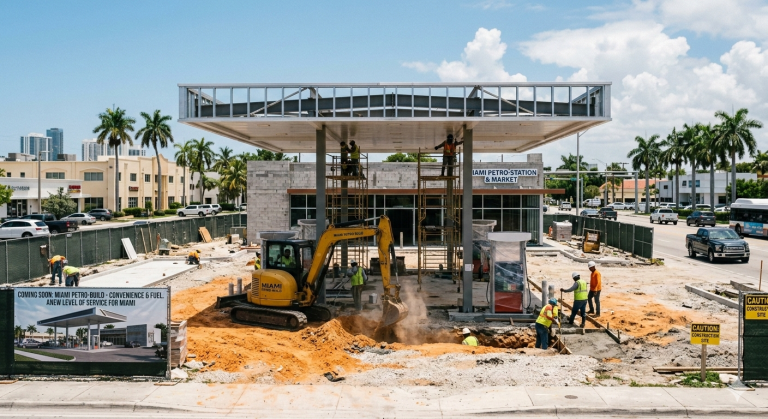
Construction Loan Lenders and Process in Florida Now
GHC Funding Website Published: March 5, 2026 Categories: blog Reading Time: 3 minutes read Unlocking Opportunities: Navigating Construction Loan Lenders in Florida…
Read more →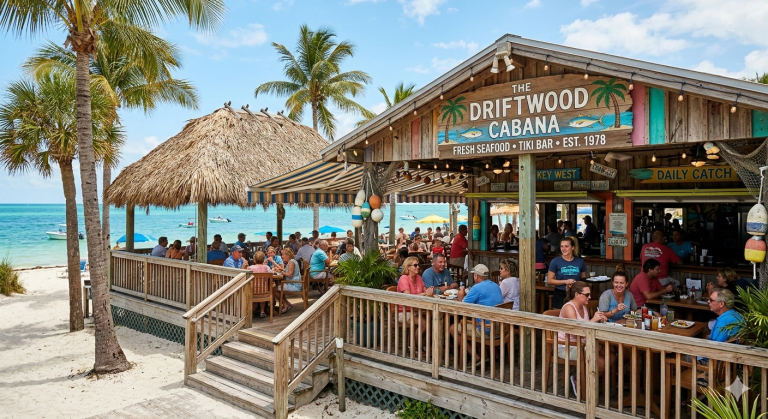
Get The SBA Express Loan Application in Florida Now
GHC Funding Website Published: March 5, 2026 Categories: blog Reading Time: 3 minutes read Simplifying the SBA Express Loan Application Process in…
Read more →The Road Ahead: BNPL and the Future of Personal Finance in San Jose
San Jose is once again at the forefront of a digital finance revolution. As BNPL overhauls everyday commerce, city consumers are enjoying more liquidity and freedom—but also taking on hidden risks. With tighter regulation, innovative merchant partnerships, and renewed consumer education efforts, the challenge and opportunity of micro-credit lies in fostering responsible use. In 2025, understanding how BNPL fits into the broader picture of your financial wellness is more important than ever. The evolution of everyday payments is here—and it’s up to San Jose’s consumers, advisors, and retailers to shape the next chapter in personal finance.
Get a No Obligation Quote Today.

Use these trusted resources to grow and manage your small business—then connect with GHC Funding
to explore financing options tailored to your needs.
GHC Funding helps entrepreneurs secure working capital, equipment financing, real estate loans,
and more—start your funding conversation today.
Helpful Small Business Resources