Memphis Inflation Budgeting & Real Estate Investment Guide 2025: Emerging Neighborhoods & Gentrification Opportunities
The city of Memphis, Tennessee, stands at a transformative crossroads in 2025. With persistent inflation altering household budgets and investment strategies, understanding effective inflation budgeting and targeting real estate opportunities in emerging neighborhoods is crucial for savvy investors and residents alike. This comprehensive guide analyzes Memphis-specific economic indicators, inflation trends, and opportunities in the city’s most promising up-and-coming districts, offering actionable insights for anyone seeking to navigate the local housing landscape during high inflation.
- Memphis Inflation Budgeting & Real Estate Investment Guide 2025: Emerging Neighborhoods & Gentrification Opportunities
- Table of Contents
- 1. Memphis Economic Overview in 2025
- 2. Current Inflation Trends & Budgeting in Memphis
- 3. Memphis Real Estate Market Analysis (2025)
- 4. Top Emerging Neighborhoods & Gentrification Hotspots
- 5. Economic Drivers Influencing Real Estate in Memphis
- 6. City-Specific Budgeting Strategies Amidst Inflation
- 7. Property Taxes & Local Regulatory Considerations
- 8. Inflation Hedging via Real Estate: Best Practices
- 9. Case Studies: Memphis Success Stories
- 10. 2025 Economic Forecast & Investment Projections
- 11. Conclusion: Maximizing Returns in Memphis’ Evolving Market
Table of Contents
- Memphis Economic Overview in 2025
- Current Inflation Trends & Budgeting in Memphis
- Memphis Real Estate Market Analysis
- Top Emerging Neighborhoods & Gentrification Hotspots
- Economic Drivers Influencing Real Estate in Memphis
- City-Specific Budgeting Strategies Amidst Inflation
- Property Taxes & Local Regulatory Considerations
- Inflation Hedging via Real Estate: Best Practices
- Case Studies: Memphis Success Stories
- 2025 Economic Forecast & Investment Projections
- Conclusion: Maximizing Returns in Memphis’ Evolving Market
1. Memphis Economic Overview in 2025
Memphis, with a population just under 630,000, anchors the Mid-South region. Its economic base is diversified, boasting logistics, manufacturing, healthcare, and tourism industries. In the wake of persistent supply chain pressures, Memphis’ central geographic location and major distribution centers (notably FedEx’s “SuperHub”) have bolstered job growth, helping cushion the impact of national inflation trends.
- Unemployment rate (2025): Approx. 4.1% (lower than 2023-24 average)
- Median household income (2025): $56,500 (up 6.3% YoY)
- Population growth rate (2023-2025): 2.1% (a trend upward driven by migration from high-cost coastal cities)
Memphis’ population increase is attributed to its relatively low cost of living, job growth in logistics and healthcare, and improvements in city infrastructure and public safety.
Need capital? GHC Funding offers flexible funding solutions to support your business growth or real estate projects. Discover fast, reliable financing options today!
⚡ Key Flexible Funding Options:
GHC Funding everages financing types that prioritize asset value and cash flow over lengthy financial history checks:
DSCR Rental Loan
- No tax returns required
- Qualify using rental income (DSCR-based)
- Fast closings ~3–4 weeks
SBA 7(a) Loan
- Lower down payments vs banks
- Long amortization improves cash flow
- Good if your business occupies 51%+
Bridge Loan
- Close quickly — move on opportunities
- Flexible underwriting
- Great for value-add or transitional assets
SBA 504 Loan
- Low fixed rates through CDC portion
- Great for construction, expansion, fixed assets
- Often lower down payment than bank loans
🌐 Learn More
For details on GHC Funding's specific products and to start an application, please visit our homepage:

2. Current Inflation Trends & Budgeting in Memphis
Inflation in 2024-2025 has hovered between 3.7% and 4.3% in the Memphis metropolitan area, slightly below the national average. Cost pressures have hit hardest in housing, utilities, and transportation. Food prices and property insurance costs have also risen sharply since 2023.
- Rent Inflation: Average city rent rose 7% YoY (2024-25), but emerging neighborhoods present more stable deals.
- Utilities & Energy: Electricity and natural gas saw a 5.6% increase (2025), driven by higher demand and infrastructure costs.
- Groceries & Transportation: Up 4.4% and 4.2%, respectively, straining fixed-income households.
Effective budgeting now means not only tracking expenses but considering hyper-local real estate choices—especially in rising districts set for growth.
3. Memphis Real Estate Market Analysis (2025)
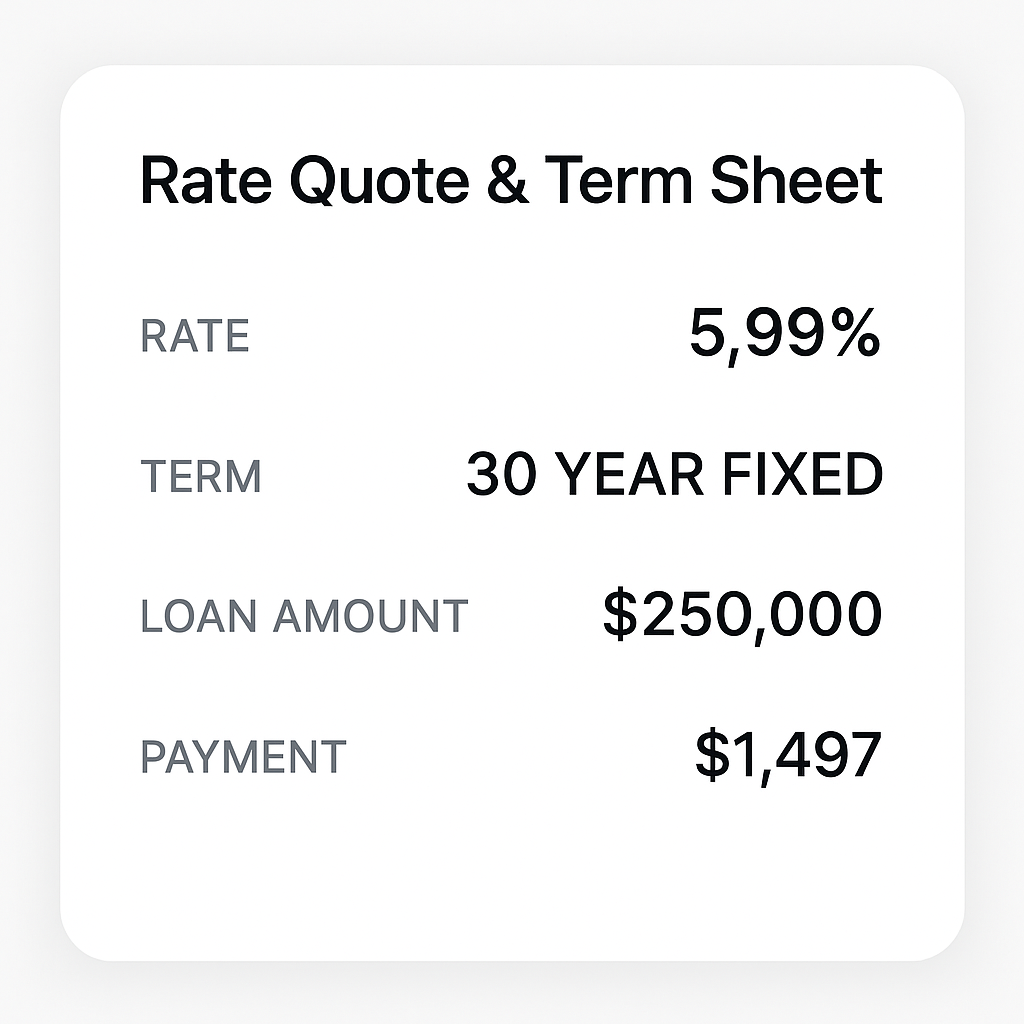
With mortgage rates in 2025 hovering near 6.1%, Memphis remains an affordable refuge for first-time homebuyers and investors compared to national averages. The median home price sits at $220,000 (up 4.8% YoY), and the relatively low price-to-rent ratio signals continuing demand for both purchases and rentals. A key trend is the revitalization of older neighborhoods just outside the urban center, as investors seek inflation-resistant assets and city incentives.
- Rental yield (2025): Averaging 7.2% in up-and-coming neighborhoods
- Vacancy rate: Down to 4.6% citywide, but just 3.1% in top gentrifying districts
- Number of flips (2024-2025): Up 15%, with greatest activity in historic districts
4. Top Emerging Neighborhoods & Gentrification Hotspots
Memphis is experiencing significant real estate transformation, particularly in several strategic neighborhoods. Here’s where inflation-resistant investment opportunities are heating up:
South Main Arts District
- Type: Historic warehouse conversions, loft apartments, boutique retail spaces
- Recent Trends: Home values up 10.4% YoY; local businesses thriving post-pandemic
- Why Invest? City tax abatements for historic preservation; robust tourist/resident rental demand
Binghampton
- Type: Single-family homes, mixed-use in-fill projects
- Recent Trends: Gentrification is well underway, but property prices remain < 80% of Midtown averages
- Why Invest? Nonprofit partnership support for redevelopment, strong community activism
Uptown/Greenlaw
- Type: ‘Opportunity Zone’ multi-family redevelopment, modest starter homes
- Recent Trends: Rental yields exceed 8.5%; new infrastructure investment from city
- Why Invest? Target for city revitalization grants and public-private partnerships
Edge District
- Type: Adaptive reuse (live-work lofts, creative spaces), tech startup activity
- Recent Trends: Significant job creation and new small businesses—commercial and residential synergy
- Why Invest? Easy access to downtown, active district improvement projects
Orange Mound
- Type: Affordable single-family and multifamily revitalization
- Recent Trends: Strong community stewardship, support for first-time buyers
- Why Invest? Low entry prices, high city/state grants for renovation
5. Economic Drivers Influencing Real Estate in Memphis
The Memphis job market’s ongoing evolution strengthens real estate prospects in emerging and gentrifying districts.
- Logistics: FedEx, International Paper, and Amazon fuel a resilient job market
- Healthcare: Expansion of Methodist LeBonheur and Baptist Memorial systems
- Education & Technology: Growth in UofM tech programs fosters local startup activity
- Tourism & Music Industry: Beale Street and expanding festival circuits boost short-term rental demand
Notably, Memphis’ ongoing investment in ‘innovation corridors’ and targeted infrastructure (public transit expansion, greenway projects) bolster property values in key neighborhoods.
6. City-Specific Budgeting Strategies Amidst Inflation
Smart budgeting in Memphis means leveraging sustainable real estate investments in up-and-coming neighborhoods while adjusting for rising living costs. Key elements include:
- Housing: Target districts where property appreciation outpaces inflation, but entry prices remain below city medians
- Utilities: Retrofit older properties with energy-efficient upgrades—rebates available from MLGW (Memphis Light, Gas & Water)
- Insurance: Compare providers to mitigate rising premiums, especially after recent weather events
- Taxes: Take advantage of assessment freezes and city-offered tax abatements for historic or green renovations
- Transportation: Prioritize areas with MATA transit improvements or proximity to new bike/pedestrian corridors
Sample Budget Adjustments for 2025 (Binghampton)
| Category | 2024 Average | 2025 Projected | Tips for Savings |
|---|---|---|---|
| Rent/Mortgage | $1,050 | $1,130 | Buy-to-renovate, pursue owner-occupant incentives |
| Utilities | $145 | $155 | Energy-efficient retrofits |
| Insurance | $120 | $128 | Review policies annually |
| Transit | $85 | $89 | Use improved public transit access |
7. Property Taxes & Local Regulatory Considerations
Memphis and Shelby County offer some of the lowest property tax rates compared to peer cities, supporting first-time buyers and investors:
- City average tax rate (2025): 1.47%
- Homestead exemptions exist for owner-occupied and low-income properties
- Tax freeze programs: For seniors, disabled, and selected historic redevelopments
- TIF (Tax Increment Financing): Available for mixed-use and commercial projects in targeted neighborhoods
Zoning reforms in 2024 opened new opportunities for small-scale multi-unit conversions in Midtown and Edge District, favoring investors seeking inflation-hedged assets.
8. Inflation Hedging via Real Estate: Best Practices
With persistent inflation, real estate in Memphis’ emerging neighborhoods provides a strong hedge. Key inflation-defense strategies include:
- Focus on single-family homes for entry, multi-family or mixed-use as budget allows
- Renovate properties to add value, leveraging city and nonprofit grants
- Consider short-term rentals near Beale Street or the South Main district to capture tourism-driven cash flow
- Leverage 1031 exchanges to defer capital gains and move into higher-growth properties
- Use fixed-rate financing to lock in costs as inflation rises
Neighborhoods with new infrastructure and city incentives are positioned to outperform during inflationary cycles, as demand outpaces supply — especially from in-migration.
9. Case Studies: Memphis Success Stories
The Edge District Transformation
Example: Louisa’s Lofts
A locally managed group acquired an old auto parts factory in the Edge District in 2021. By 2024 they completed renovations, leveraging both the new zoning laws and TIF financing. Rents increased 18% after conversion, while occupancy held steady at >97% during 2023-2025, despite rising inflation. The project’s net operating income outpaced inflation by almost 2:1.
Binghampton Bungalows
Example: Harris Family Flip
In late 2022, the Harris family purchased a run-down bungalow for $85,000, investing $30,000 in upgrades supported by city grants. By 2025, comparables are selling above $170,000. The area’s demographic shifts, community enhancement projects, and improved access to transit mean their asset is well-positioned to resist inflation.
South Main Short-Term Rental Boom
Example: Music Flats LLC
A local investor pivoted three South Main lofts to short-term (Airbnb) rentals in 2024. With the Memphis tourism rebound, occupancy stayed above 80% and rates adjusted for inflation every quarter, far outpacing traditional leases.
10. 2025 Economic Forecast & Investment Projections
Memphis is forecast to retain GDP growth of around 2.4%, led by logistics and healthcare. Population growth is feeding continued housing demand, especially in neighborhoods benefiting from public investment and migration from higher-cost markets. City infrastructure spending, zoning reforms, and sustained in-migration will likely drive above-average home appreciation in gentrifying areas while also attracting new commercial developments.
- Emerging neighborhoods forecast average annual home appreciation: 7.6% (2025-2027)
- Rental property yields in up-and-coming districts: ~7-8.5% expected through 2026
- City tax incentives for owner-occupied renovation and first-time buyers likely to expand
Risks include weather events, rising insurance premiums, and the need for continued city investment—but overall, inflation-driven demand will sustain bullish investor outlooks in Memphis’ emerging districts.
11. Conclusion: Maximizing Returns in Memphis’ Evolving Market
High inflation in 2025 poses undeniable challenges but also unprecedented opportunities for those prepared to adapt. In Memphis, the most promising path is to align inflation budgeting with strategic real estate investment in up-and-coming neighborhoods. Leveraging city incentives, zoning reforms, and community-led revitalization, investors can secure both strong cash flow and long-term appreciation while hedging against inflation. As Memphis continues to attract new residents and businesses, targeting districts on the rise—Binghampton, South Main, Edge, and Uptown—will offer the best legacy-building opportunities for the next generation of Memphis property owners.
Get a No Obligation Quote Today.

Use these trusted resources to grow and manage your small business—then connect with GHC Funding
to explore financing options tailored to your needs.
GHC Funding helps entrepreneurs secure working capital, equipment financing, real estate loans,
and more—start your funding conversation today.
Helpful Small Business Resources