Contributing Author & Editorial Review
This article was crafted and reviewed by experienced professionals to ensure accuracy and practical insight.


DSCR Rental Loan Highlights
- Qualification based mainly on property cash flow (DSCR).
- No personal income docs required for many programs.
- Financing for 1–8 unit rentals, portfolios, and many STR/Airbnb deals.
- Up to 80% LTV on purchases and 75% LTV on cash-out (program-dependent).
- 30-year fixed and interest-only options available.
You’ve found a promising rental property and the numbers on your spreadsheet look great. But before you get too excited, you have one more crucial step: the property inspection. This isn’t just a formality—it’s your last line of defense against costly, hidden problems that can wipe out your cash flow and turn a dream deal into a financial nightmare.
Knowing the red flags to watch for when inspecting a potential rental is a skill that separates seasoned investors from novices. This guide will walk you through the critical areas to scrutinize, from the foundation to the roof, and show you how to identify potential deal-breakers. We’ll also introduce you to GHC Funding, a lending partner that provides the flexible financing you need to close on a solid investment with confidence.
🚩 The Red Flags of a Bad Deal: Your Inspection Checklist
While a professional home inspector is essential, a preliminary inspection by you, the investor, can save you time and money by revealing obvious red flags early on. Here’s a checklist of what to look for:
Need capital? GHC Funding offers flexible funding solutions to support your business growth or real estate projects. Discover fast, reliable financing options today!
⚡ Key Flexible Funding Options:
GHC Funding everages financing types that prioritize asset value and cash flow over lengthy financial history checks:
DSCR Rental Loan
- No tax returns required
- Qualify using rental income (DSCR-based)
- Fast closings ~3–4 weeks
SBA 7(a) Loan
- Lower down payments vs banks
- Long amortization improves cash flow
- Good if your business occupies 51%+
Bridge Loan
- Close quickly — move on opportunities
- Flexible underwriting
- Great for value-add or transitional assets
SBA 504 Loan
- Low fixed rates through CDC portion
- Great for construction, expansion, fixed assets
- Often lower down payment than bank loans
🌐 Learn More
For details on GHC Funding's specific products and to start an application, please visit our homepage:

1. The Foundation and Structure
This is the single most important part of your inspection. Foundation problems are often the most expensive to repair and can lead to a host of other issues.
- Cracks: Look for large, horizontal cracks in the foundation or brickwork. Small hairline cracks are often normal, but significant cracks can indicate structural movement.
- Sloping Floors: Use a golf ball or a level to check for uneven or sloping floors, which can be a sign of foundation issues.
- Settling: Observe the property from the street. Is it leaning? Does it appear to be sinking in one corner?
2. The Roof
A failing roof is an expensive repair. Don’t take the seller’s word for its age—look for visual cues.
- Missing or Curling Shingles: These are a clear sign of wear and tear.
- Excess Granule Loss: If you see piles of shingle granules in the gutters, it means the shingles are near the end of their lifespan.
- Signs of a Patch Job: Look for uneven patches or mismatched shingles, which may indicate a temporary fix rather than a permanent repair.
3. Water Damage and Leaks
Water is the enemy of any home. Pay close attention to areas where it can cause damage.
- Water Stains: Look for brown or yellow stains on ceilings and walls, which are often signs of a slow leak.
- Musty Odors: A musty smell in the basement or other areas can indicate hidden mold or a leak you can’t see.
- Wet or Spongy Floors: This can be a sign of a hidden leak or a structural problem.
4. The HVAC, Plumbing, and Electrical Systems
These are the most expensive systems to replace.
- HVAC System: Check the age of the unit. The average lifespan is 15-25 years. If it’s old, budget for a replacement.
- Plumbing: Look for visible leaks under sinks, check water pressure, and flush toilets to ensure they’re working correctly.
- Electrical: Look for outdated fuse boxes, old wiring, or exposed electrical wires, all of which can be fire hazards.
Navigating the Kentucky Market: Finding a Solid Deal
Kentucky’s diverse economy and manageable property prices make it an attractive location for real estate investors. A savvy investor understands that a “good” deal often comes down to finding a property that can be renovated and managed without major, unexpected costs.
- Louisville: As the state’s largest city, Louisville has a strong and stable rental market. The city’s economic drivers include logistics (UPS Worldport), healthcare (Humana), and the bourbon industry. In neighborhoods like Germantown (zip code 40204) or The Highlands (zip code 40205), you can find older, well-built homes. While they may require some cosmetic updates, a thorough inspection is crucial to avoid hidden structural or water issues.
- Lexington: Known for its horse farms and the University of Kentucky, Lexington offers a stable tenant base. The city’s economy is supported by education, healthcare, and manufacturing. In areas like Chevy Chase (zip code 40502) or Beaumont (zip code 40513), you can find single-family homes that, while often more expensive, have strong rental demand. Your inspection should focus on the integrity of the property’s systems and structure.
- Bowling Green: A hidden gem for investors, Bowling Green has a growing population and a strong economic foundation driven by General Motors and Western Kentucky University. Properties are generally more affordable, making it easier to find a deal with a healthy cash-on-cash return. Look for single-family rentals or small multi-family properties that meet the 1% rule and have no major red flags during inspection.
Financing a Solid Investment: The GHC Funding DSCR Loan
Once your inspection confirms that a property is free of major red flags, the next step is to secure financing. This is where GHC Funding provides a major advantage with our specialized DSCR (Debt Service Coverage Ratio) Loans. These loans are designed for investors who prioritize a property’s cash flow potential over their own personal income.
Current Market Insights (as of September 18, 2025):
- Interest Rates: DSCR loan rates are subject to market conditions and typically range from 7.25% to 9.50%. Rates are influenced by your credit score (generally 660+), the property’s DSCR, and the loan-to-value (LTV) ratio.
- Requirements and Benefits:
- No Personal Income Check: We don’t require tax returns, W-2s, or pay stubs. Your loan is approved based on the property’s ability to generate sufficient income.
- Asset-Based Underwriting: We focus on the investment asset, not your personal debt-to-income (DTI) ratio, allowing you to scale your portfolio.
- Entity Lending: The loan is typically made to an LLC or other business entity, providing a crucial layer of legal protection for your personal assets.
- Property Types: We finance single-family homes, multi-family properties (up to 4 units), and even short-term rentals.
At GHC Funding, we offer flexible underwriting and a streamlined process. We understand the specific needs of Kentucky investors and offer a full suite of financing options, including Bridge Loans for properties that need significant work before they can be rented, SBA 7a loans and SBA 504 Loans for owner-occupied commercial properties, and other forms of Alternative Real Estate Financing.
External Resources for Kentucky Real Estate Investors
For a successful investment journey in Kentucky, leverage these reputable, local resources:
- Kentucky Real Estate Commission: This official state body regulates real estate professionals and can provide information on state-specific laws and licensing. https://krec.ky.gov/
- Kentuckiana Real Estate Investors Association (KREIA): An invaluable resource for networking, finding off-market deals, and connecting with other experienced investors in the Louisville and surrounding areas. https://www.kreia.com/
- Kentucky Housing Corporation (KHC): This state agency provides valuable data and research on housing trends, demographics, and local markets, which can help you identify high-demand areas. https://www.kyhousing.org/
- REIClub Kentucky Directory: A great starting point for finding other local real estate clubs and associations in Kentucky, allowing you to expand your network beyond the major cities. https://reiclub.com/real-estate-clubs/kentucky/
Q&A: Your Inspection and Financing Questions Answered
1. Should I hire a professional inspector?
Absolutely. A professional inspection is non-negotiable. They have the expertise and tools to identify problems you may miss, from faulty wiring to roof issues.
2. What if the seller won’t allow a full inspection?
This is a major red flag in itself. A seller who won’t allow a full inspection is likely hiding something. It’s often best to walk away from the deal.
3. How does GHC Funding’s DSCR loan help me if a property has an old roof or HVAC system?
While our loans are for investment properties, a good inspection report is key. If a professional inspection reveals major issues, it will affect the property’s value and loan amount. Our flexible underwriting, however, can provide a Bridge Loan to cover the cost of repairs and then refinance into a long-term DSCR loan once the property is stabilized.
4. Can a DSCR loan be used for a property that needs extensive renovations?
For a property that is uninhabitable and needs a full renovation, a DSCR loan is not the right fit. A Bridge Loan is a better solution. It’s a short-term, interest-only loan designed to cover the purchase and renovation costs.
5. Is a DSCR loan better than a conventional loan for an investment property?
For most investors, yes. A conventional loan limits you to a certain number of mortgages and has strict DTI requirements. The DSCR loan allows you to scale your portfolio without these limitations, making it a powerful tool for a growing business.
6. Can I get a DSCR loan on a property that is currently vacant?
Yes. GHC Funding can underwrite a DSCR loan on a vacant property based on a professional rent appraisal, allowing you to close on the deal and find a tenant after.
7. How does the property’s DSCR factor into my inspection?
The property’s DSCR is calculated based on its Net Operating Income (NOI). A property with expensive hidden issues will have higher operating expenses, which lowers the NOI and, in turn, the DSCR. A thorough inspection protects your ability to get a favorable loan.
Get a Free Rate Today
Compare our top-rated commercial and investment property loan programs below.
- No income verification
- 30-year fixed | Interest-only available
- Great for rental properties + STR
- Fast approvals
- Working capital + business acquisition
- Up to $5M
- Low down payment
- Long-term financing
- Owner-occupied CRE
- Low fixed rates | 25-year terms
- Great for business expansion
- Refinance available
- Best for stabilized properties
- Competitive rates
- 12–25 year terms
- Lower fees than private lenders
Compare Loan Types
Find the Right Financing for Your Real Estate or Business Project
| Loan Type | Best For | Rates | Terms | Highlights | Apply |
|---|---|---|---|---|---|
| DSCR Loan | Rental properties (LTR & STR) | 5.99%+ | 30-year fixed, IO options | No income docs, fast approvals, great for investors | Check My Rate |
| Construction Loan | Ground-up, fix & build, major renovations | 8%–12% depending on scope | 12–24 months interest-only | Flexible draws, great for builders & developers | Get a Quote |
| SBA Loan | Business acquisition, working capital, CRE | Prime + spread | 10–25 years | Lowest down payments, long terms, best for business growth | See My Options |

SBA Loan Requirements for Startups in Florida Now
GHC Funding Website Published: March 9, 2026 Categories: blog Reading Time: 3 minutes read Understanding SBA Loan Requirements for Startups in Florida:…
Read more →
“Prompt Engineering” Myth: How to Actually Talk to AI
GHC Funding Website Published: March 6, 2026 Categories: blog Reading Time: 4 minutes read 🗣️ The “Prompt Engineering” Myth: How to Actually…
Read more →
No-B.S. AI Guide to Work Less and Grow More in 2026 Now
GHC Funding Website Published: March 6, 2026 Categories: blog Reading Time: 5 minutes read 🚀 The No-B.S. Guide to AI for Small…
Read more →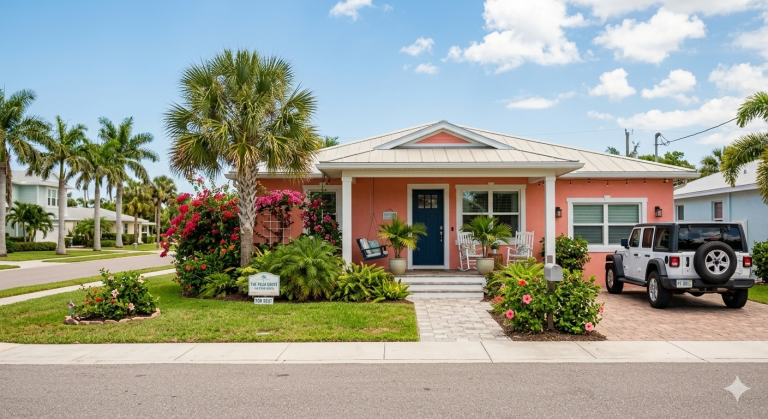
No Doc DSCR Loans for Property in Florida Now
GHC Funding Website Published: March 5, 2026 Updated: March 6, 2026 Categories: blog Reading Time: 3 minutes read Unlocking Investment Potential: No…
Read more →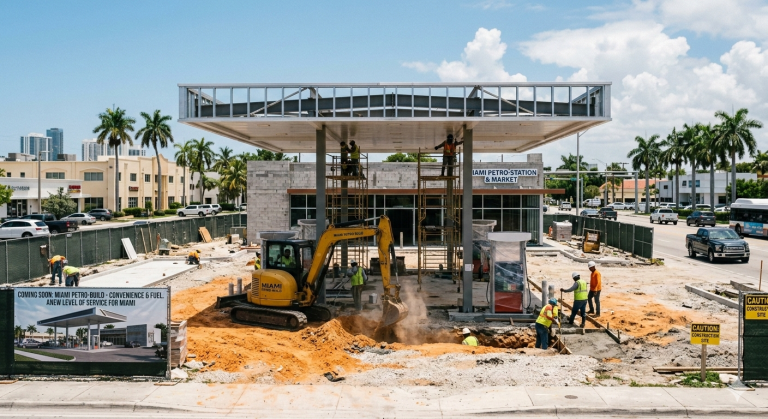
Construction Loan Lenders and Process in Florida Now
GHC Funding Website Published: March 5, 2026 Categories: blog Reading Time: 3 minutes read Unlocking Opportunities: Navigating Construction Loan Lenders in Florida…
Read more →
Get The SBA Express Loan Application in Florida Now
GHC Funding Website Published: March 5, 2026 Categories: blog Reading Time: 3 minutes read Simplifying the SBA Express Loan Application Process in…
Read more →Your Path to a Profitable Investment
Knowing the red flags to watch for when inspecting a potential rental is an essential skill. It protects your capital and ensures that the investment you’re making is sound.
GHC Funding is here to support you every step of the way. We provide the specialized financing and expert guidance you need to confidently acquire your next profitable property
Get a No Obligation Quote Today.

Use these trusted resources to grow and manage your small business—then connect with GHC Funding
to explore financing options tailored to your needs.
GHC Funding helps entrepreneurs secure working capital, equipment financing, real estate loans,
and more—start your funding conversation today.
Helpful Small Business Resources