Contributing Author & Editorial Review
This article was crafted and reviewed by experienced professionals to ensure accuracy and practical insight.
DSCR Rental Loan Highlights
- Qualification based mainly on property cash flow (DSCR).
- No personal income docs required for many programs.
- Financing for 1–8 unit rentals, portfolios, and many STR/Airbnb deals.
- Up to 80% LTV on purchases and 75% LTV on cash-out (program-dependent).
- 30-year fixed and interest-only options available.
BNPL Revolution 2025: How San Francisco Consumers Are Using Buy Now, Pay Later for Everyday Purchases
Buy Now, Pay Later (BNPL) has rapidly evolved in recent years — transitioning from a niche solution for financing electronics and fitness equipment to a mainstream payment method, especially in cities at the forefront of innovation like San Francisco. By 2025, BNPL is no longer the exclusive realm of $2,000 Peloton bikes or high-end tech. Instead, it’s used for buying groceries at Safeway, fresh produce at the Ferry Building, and even topping up your closet at tech-forward boutiques in Hayes Valley. The result? Debt, once reserved for substantial purchases, is now woven into the fabric of everyday life, changing how San Franciscans shop — and how they think about money.
- BNPL Revolution 2025: How San Francisco Consumers Are Using Buy Now, Pay Later for Everyday Purchases
- Table of Contents
- Introduction: Everyday BNPL in the City by the Bay
- Case Study: BNPL Integration in San Francisco Grocery Stores
- Case Study: Micro-Installments in Clothing and Fast Fashion
- 2025 Market Trends: BNPL Ubiquity
- Changing Consumer Spending Patterns
- The Normalization of Everyday Debt
- BNPL Regulation and Consumer Protections in San Francisco
- Risks: Debt Accumulation & Financial Wellness
- Local Retail Adoption: San Francisco’s BNPL Ecosystem
- Actionable Insights for Consumers and Advisors
- The Future of BNPL in Urban America
Table of Contents
- Introduction: Everyday BNPL in the City by the Bay
- Case Study: BNPL Integration in San Francisco Grocery Stores
- Case Study: Micro-Installments in Clothing and Fast Fashion
- 2025 Market Trends: BNPL Ubiquity
- Changing Consumer Spending Patterns
- The Normalization of Everyday Debt
- BNPL Regulation and Consumer Protections in San Francisco
- Risks: Debt Accumulation & Financial Wellness
- Local Retail Adoption: San Francisco’s BNPL Ecosystem
- Actionable Insights for Consumers and Advisors
- The Future of BNPL in Urban America
Introduction: Everyday BNPL in the City by the Bay
It’s 2025, and San Francisco’s tech-savvy residents are at the center of the BNPL revolution. Fueled by a blend of convenience, innovative fintech startups, and retailer pressure to increase conversion rates, BNPL has worked its way from the checkout screens of e-commerce giants into local markets, neighborhood shops, and even monthly grocery runs. The allure? Seamless, interest-free financing for almost any basket size, purchase, or demographic.
Case Study: BNPL Integration in San Francisco Grocery Stores
Grocery store chains in San Francisco were among the early adopters of BNPL for everyday spending. Local favorites like Trader Joe’s, Safeway, and even smaller organic grocers began accepting BNPL at checkout in late 2023, mainly through partners like Affirm, Klarna, and Afterpay. The integration moved quickly, as digital wallet adoption rates in the city were already among the highest in the nation.
Need capital? GHC Funding offers flexible funding solutions to support your business growth or real estate projects. Discover fast, reliable financing options today!
⚡ Key Flexible Funding Options:
GHC Funding everages financing types that prioritize asset value and cash flow over lengthy financial history checks:
DSCR Rental Loan
- No tax returns required
- Qualify using rental income (DSCR-based)
- Fast closings ~3–4 weeks
SBA 7(a) Loan
- Lower down payments vs banks
- Long amortization improves cash flow
- Good if your business occupies 51%+
Bridge Loan
- Close quickly — move on opportunities
- Flexible underwriting
- Great for value-add or transitional assets
SBA 504 Loan
- Low fixed rates through CDC portion
- Great for construction, expansion, fixed assets
- Often lower down payment than bank loans
🌐 Learn More
For details on GHC Funding's specific products and to start an application, please visit our homepage:
- How it works: Shoppers can now split their $120 weekly grocery bill into four interest-free installments, directly from their mobile device at self-checkout kiosks. No need for a traditional credit application.
- BNPL for Online Grocery: Apps like Instacart and Amazon Fresh embedded BNPL during checkout, especially appealing for San Franciscans still working remotely or using delivery services.
- Impact: According to a 2024 survey by Fintech SF, over 38% of San Francisco households used BNPL at least once for groceries in the past three months.
This trend isn’t unique to groceries. Cafés and casual dining spots like Blue Bottle and Super Duper Burgers also started offering BNPL for orders as low as $15, normalizing the use of micro-financing for everyday consumption.
Case Study: Micro-Installments in Clothing and Fast Fashion
San Francisco’s thriving retail scene—especially in Union Square and Hayes Valley—rapidly embraced BNPL. Boutiques and major chains like Uniqlo, Zara, and Levi’s now offer micro-installments for purchases as low as $30. Young professionals and students are the prime demographic:
- BNPL isn’t just for $500 shopping sprees. In 2025, it’s common to break a $38 shirt from Banana Republic into four $9.50 payments.
- Fashion-focused BNPL platforms like Afterpay and Klarna partner directly with local designers to drive conversion and higher average order values.
A 2025 local survey showed that in San Francisco, 48% of Gen Z and millennial shoppers used BNPL for clothing in the previous quarter, up from 20% in 2023.
2025 Market Trends: BNPL Ubiquity
- Widespread Retail Integration: Nearly all major San Francisco supermarkets, drugstores, and independent retailers now present BNPL as a default checkout option—both online and in-store.
- BNPL at the Gas Pump: Providers like Zip and Klarna have piloted micro-finance at automated gas stations, responding to rising fuel costs in California.
- Dining & Experiences: Event and theme park ticket vendors, casual restaurants, and even the city’s ride-sharing apps have all begun to roll out BNPL options for low-value transactions under $50.
- Community-Specific Programs: Local fintech startups—like Layr Finance and Flexily—have emerged to cater specifically to urban professionals and students, giving San Franciscans even more personalized BNPL services.
Changing Consumer Spending Patterns
The normalization of BNPL for everyday items in San Francisco is driving remarkable behavioral shifts:
- Reduced Friction: The seamless checkout experience with BNPL reduces “purchase pain” and encourages shoppers to complete more impulse buys, from coffee runs to last-minute wardrobe updates.
- Basket Size Increases: Retailers report a 30% increase in average basket size among BNPL users, especially in fashion and groceries.
- Purchase Frequency: With installment plans, shoppers visit local stores more often and spend more per trip.
- Shift in Budget Mindset: Instead of “Can I afford this now?”, the psychology has flipped to “Can I manage an extra $15 this week?”
The Normalization of Everyday Debt
Perhaps the most profound change is the growing comfort with small, routine debts. In a city where high living costs have always pressured personal budgets, BNPL is seen as a tool for flexibility rather than a risky liability. However, this normalization comes with serious tradeoffs:
- Debt Stacking: Many users now juggle multiple active BNPL plans across different providers, blurring their real liabilities.
- Psychological Impact: Experts warn about “debt desensitization” — consumers underestimate their cumulative monthly obligations, increasing risk over time.
- Social Acceptance: Owing on groceries or meals once signaled financial distress. By 2025, it’s simply smart financial management — or so it’s perceived in San Francisco’s social circles.
BNPL Regulation and Consumer Protections in San Francisco
While federal regulators such as the CFPB have updated guidelines in 2025 to require stricter disclosure and debt assessment for BNPL, California’s local authorities have gone further:
- Enhanced Disclosures: San Francisco retailers must display BNPL repayment schedules and any late fees at the point of sale.
- Default Monitoring: New pilot programs track BNPL defaults and excessive usage via partnership with local credit unions and data cooperatives.
- Consumer Education Mandates: Schools and community centers offer BNPL awareness training as part of citywide financial literacy initiatives.
Still, many worry that regulation is playing catch-up—especially as providers invent creative ways to skirt traditional lending rules under the pretense of “payment facilitation.”
Risks: Debt Accumulation & Financial Wellness
While BNPL democratizes access to goods and smooths out budget bumps, the ease of micro-debt can trap vulnerable populations:
- Overextension: Users overload on BNPL, underestimating future repayment burdens, especially as economic uncertainty endures.
- Hidden Fees: Late fees and penalty interest for missed payments are still a significant source of profit for BNPL providers in 2025—several San Francisco residents report cascade effects when missing just one installment.
- Credit Profile Ambiguity: Many BNPL plans don’t show up on traditional credit bureaus, making it harder for consumers or lenders to see a holistic view of liabilities.
- Generational Divide: While younger residents gravitate to BNPL’s convenience, older San Franciscans remain wary, recalling the 2008 credit crisis and subsequent student loan boom.
Local Retail Adoption: San Francisco’s BNPL Ecosystem
San Francisco’s unique economic makeup hastened the citywide rollout of BNPL:
- Tech-first retail: With so many app-based merchants and startups, BNPL integration is fast and frictionless, often with added loyalty discounts or VIP experiences for recurring users.
- Affluent yet budget-conscious: Even high-earning tech workers embrace BNPL to optimize cash flow, maximize savings account interest, and manage multiple side hustles.
- Student and gig worker adoption: Flexible income drives up demand for BNPL, especially among university populations and independent contractors.
- Neighborhood innovation: Districts like SoMa, Mission District, and Chinatown pilot new BNPL-enabled point-of-sale devices tailored to small merchants.
Actionable Insights for Consumers and Advisors
- Track Your Total BNPL Exposure: Use fintech apps or spreadsheets to aggregate all open BNPL plans across providers and retailers.
- Budget for Installments: Don’t let “micro-payments” add up unchecked — incorporate BNPL dues into your monthly outflow planning, just like rent or utilities.
- Understand Fees and Terms: Not all BNPL plans are interest-free indefinitely. Some providers start charging interest or late fees after missed payments. Always read the fine print.
- Know Your Rights: Familiarize yourself with local SF consumer protections, and reach out to credit counseling resources if overwhelmed.
- Financial Advisors: Suggest that clients proactively discuss their BNPL usage as part of holistic financial reviews—especially younger clients.
Get a Free Rate Today
Compare our top-rated commercial and investment property loan programs below.
- No income verification
- 30-year fixed | Interest-only available
- Great for rental properties + STR
- Fast approvals
- Working capital + business acquisition
- Up to $5M
- Low down payment
- Long-term financing
- Owner-occupied CRE
- Low fixed rates | 25-year terms
- Great for business expansion
- Refinance available
- Best for stabilized properties
- Competitive rates
- 12–25 year terms
- Lower fees than private lenders
Compare Loan Types
Find the Right Financing for Your Real Estate or Business Project
| Loan Type | Best For | Rates | Terms | Highlights | Apply |
|---|---|---|---|---|---|
| DSCR Loan | Rental properties (LTR & STR) | 5.99%+ | 30-year fixed, IO options | No income docs, fast approvals, great for investors | Check My Rate |
| Construction Loan | Ground-up, fix & build, major renovations | 8%–12% depending on scope | 12–24 months interest-only | Flexible draws, great for builders & developers | Get a Quote |
| SBA Loan | Business acquisition, working capital, CRE | Prime + spread | 10–25 years | Lowest down payments, long terms, best for business growth | See My Options |
How to Get Funded Now
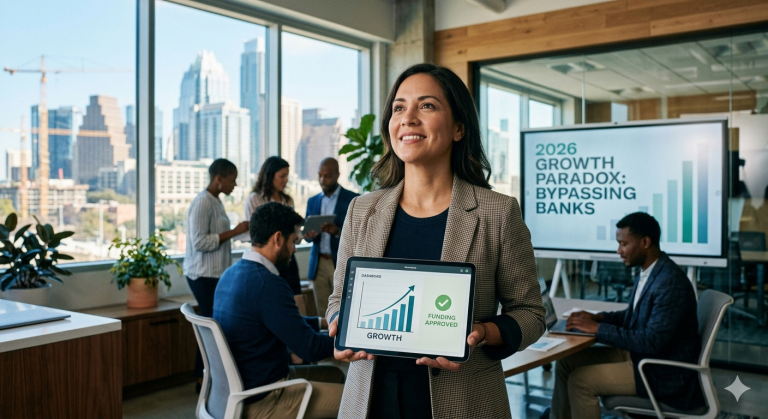
GHC Funding Website Published: May 4, 2026 Categories: blog Reading Time: 3 minutes read The 2026 Growth Paradox: Why 76% of Businesses…
Read more →
Stop Using Your Own Money: The “Velocity Strategy” Professional Investors Use to Scale in 2024
GHC Funding Website Published: May 1, 2026 Updated: May 4, 2026 Categories: blog Reading Time: 3 minutes read By the GHC Funding…
Read more →
Your Loan Officer is a Bot (And It’s Already Ghosted You)
GHC Funding Website Published: May 1, 2026 Updated: May 4, 2026 Categories: blog Reading Time: 3 minutes read Why the “Black Box”…
Read more →
Why Real Estate Investors Have Stopped Showing Tax Returns
GHC Funding Website Published: May 1, 2026 Updated: May 4, 2026 Categories: blog Reading Time: 4 minutes read Real Estate Investors Have…
Read more →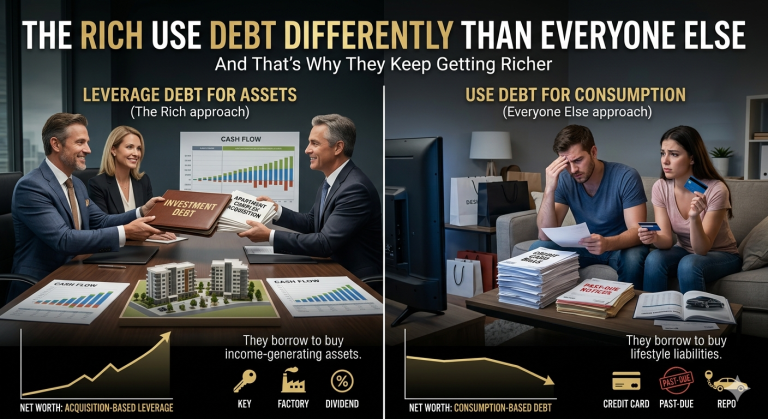
The Rich Use Debt Differently Than Everyone Else — And That’s Why They Keep Getting Richer
GHC Funding Website Published: April 30, 2026 Updated: May 4, 2026 Categories: blog Reading Time: 5 minutes read Guest Post for GHC…
Read more →
The Banking System Is Failing Entrepreneurs — Here’s Why Smart Business Owners Don’t Care
GHC Funding Website Published: April 30, 2026 Categories: blog Reading Time: 5 minutes read The Banking System Is Failing Entrepreneurs — And…
Read more →The Future of BNPL in Urban America
San Francisco provides a view into the nationwide trajectory of BNPL. As payment providers roll out micro-credit options for transit, health & wellness, and even recurring utility bills, the normalization of small, short-term debt will reshape the modern urban consumer’s financial landscape. The critical challenge—and opportunity—lies in pairing fintech innovation with equally robust financial literacy, regulation, and a renewed conversation on the value of living within one’s means, even in the age of near-instant, frictionless credit.
As BNPL expands its grip from tech gadgets to toast and trousers, San Francisco stands at the intersection of convenience, risk, and innovation—showing the world what happens when debt is just another checkbox on your phone’s checkout screen.
Get a No Obligation Quote Today.

Use these trusted resources to grow and manage your small business—then connect with GHC Funding
to explore financing options tailored to your needs.
GHC Funding helps entrepreneurs secure working capital, equipment financing, real estate loans,
and more—start your funding conversation today.
Helpful Small Business Resources