Contributing Author & Editorial Review
This article was crafted and reviewed by experienced professionals to ensure accuracy and practical insight.


SBA 7(a) & 504 Highlights
- Loan amounts from $100,000 up to $15 million+ (program-dependent).
- Up to 90% financing for eligible acquisitions, real estate, and equipment.
- Use funds for working capital, refinance, expansion, and partner buyout.
- Longer terms (up to 25 years on real estate) to keep payments manageable.
SBA Loans in South Carolina: Helping Businesses Thrive
Running a business in South Carolina is no easy feat. The state’s economy is constantly evolving, with new challenges and opportunities emerging all the time. As a business owner in South Carolina, you have to be resilient, adaptable, and always looking for ways to grow and improve your business.
- SBA Loans in South Carolina: Helping Businesses Thrive
- A Real South Carolina Business Owner’s Story
- What are SBA Loans?
- Who Needs SBA Loans in South Carolina?
- Benefits of SBA Loans for South Carolina Businesses
- Real Market Conditions in South Carolina
- Credit Score Requirements for SBA Loans in South Carolina
- How Long Does Approval Take for SBA Loans in South Carolina?
- 3 Common Mistakes South Carolina Business Owners Make when Applying for SBA Loans
- Real Case Study: South Carolina Business, Specific City, Real Numbers
- FAQ: Common Questions about SBA Loans in South Carolina
- Ready to Take Your South Carolina Business to the Next Level?
One of the biggest challenges that South Carolina business owners face is securing funding. Whether you’re just starting out or looking to expand, having access to capital is crucial for success. That’s where SBA loans come in. These loans, offered by the Small Business Administration, provide business owners with the funding they need to start, grow, or sustain their business. In this blog post, we’ll dive deeper into SBA loans in South Carolina and how they can benefit your business.
A Real South Carolina Business Owner’s Story
Before we dive into the details of SBA loans, let’s hear from a real South Carolina business owner. Meet Sarah, the owner of a small bakery in Charleston. Sarah’s business had been doing well, but she wanted to expand her operations and open a second location in Columbia. However, she didn’t have enough capital to make her dream a reality.
Need capital? GHC Funding offers flexible funding solutions to support your business growth or real estate projects. Discover fast, reliable financing options today!
⚡ Key Flexible Funding Options:
GHC Funding everages financing types that prioritize asset value and cash flow over lengthy financial history checks:
DSCR Rental Loan
- No tax returns required
- Qualify using rental income (DSCR-based)
- Fast closings ~3–4 weeks
SBA 7(a) Loan
- Lower down payments vs banks
- Long amortization improves cash flow
- Good if your business occupies 51%+
Bridge Loan
- Close quickly — move on opportunities
- Flexible underwriting
- Great for value-add or transitional assets
SBA 504 Loan
- Low fixed rates through CDC portion
- Great for construction, expansion, fixed assets
- Often lower down payment than bank loans
🌐 Learn More
For details on GHC Funding's specific products and to start an application, please visit our homepage:

Sarah had heard about SBA loans but wasn’t sure if she would qualify. She reached out to GHC Funding, and after some discussion, she decided to apply for an SBA loan. With the help of GHC Funding, Sarah was able to secure the funding she needed to open her second bakery. Today, her business is thriving, and she’s grateful for the opportunity that SBA loans provided her.
What are SBA Loans?
In simple terms, SBA loans are loans that are partially guaranteed by the Small Business Administration, a government agency dedicated to helping small businesses succeed. These loans are provided by banks, credit unions, and other financial institutions, with the guarantee from the SBA making it easier for business owners to secure funding.
SBA loans are designed for small businesses that may not qualify for traditional bank loans. They offer longer repayment terms, lower interest rates, and more flexible eligibility requirements compared to traditional loans. This makes them an attractive option for many South Carolina business owners.
Who Needs SBA Loans in South Carolina?
SBA loans can benefit a wide range of small businesses in South Carolina. Whether you’re just starting out or looking to expand, an SBA loan can provide you with the funding you need to achieve your goals. Some common reasons why South Carolina businesses may need an SBA loan include:
- Starting a new business
- Expanding an existing business
- Purchasing equipment or real estate
- Working capital
- Refinancing existing debt
No matter what stage your business is in, an SBA loan can provide you with the necessary capital to take your business to the next level.
Benefits of SBA Loans for South Carolina Businesses
There are many benefits of SBA loans for South Carolina businesses. Here are just a few:
- Lower interest rates: SBA loans typically have lower interest rates compared to traditional loans, which can save your business money in the long run.
- Longer repayment terms: SBA loans offer longer repayment terms, making it easier for businesses to manage their cash flow and repay the loan over a longer period of time.
- Lower down payments: The down payment required for an SBA loan is typically lower than that of a traditional loan, making it easier for businesses to get the funding they need.
- Flexible eligibility requirements: SBA loans have more flexible eligibility requirements compared to traditional loans, making it easier for businesses to qualify.
These benefits make SBA loans a valuable tool for South Carolina businesses looking to grow and succeed.
Real Market Conditions in South Carolina
South Carolina’s economy has been steadily growing in recent years. In 2020, the state’s GDP increased by 1.1%, and the unemployment rate has been consistently lower than the national average. However, like any state, South Carolina has its unique market conditions and challenges that businesses must navigate.
One of the main challenges that South Carolina businesses face is access to capital. With a lower population compared to other states, it can be challenging for businesses to secure funding from traditional sources. This is where SBA loans can make a significant impact, providing businesses with the necessary funding to grow and thrive.
Credit Score Requirements for SBA Loans in South Carolina
Many business owners wonder about the credit score requirements for SBA loans in South Carolina. While credit score is an important factor in the loan approval process, the SBA doesn’t have a specific minimum score requirement. Instead, they consider various factors, such as the business’s cash flow, collateral, and management experience, in addition to credit score.
In general, a credit score of 650 or higher is considered a good credit score and can increase your chances of getting approved for an SBA loan. However, even if your credit score is lower than that, you may still be eligible for an SBA loan. It’s best to speak with a financial advisor to determine your eligibility and explore your options.
How Long Does Approval Take for SBA Loans in South Carolina?
The approval process for SBA loans in South Carolina can take anywhere from 30 to 90 days. This timeline may vary depending on your specific circumstances and the lender you choose. It’s important to start the process early and have all the necessary documents and information prepared to ensure a smooth and timely approval process.
3 Common Mistakes South Carolina Business Owners Make when Applying for SBA Loans
While SBA loans can provide businesses with numerous benefits, there are some common mistakes that South Carolina business owners make when applying for these loans. Here are a few to be aware of:
- Not having a solid business plan: Lenders want to see that your business is well thought out and has a clear path to success. Make sure you have a strong business plan in place before applying for an SBA loan.
- Not understanding the terms and conditions: It’s important to carefully review the terms and conditions of the loan before signing any documents. Make sure you understand all the details, including interest rates, repayment terms, and any fees.
- Not seeking professional advice: Applying for an SBA loan can be a complex process. It’s important to seek guidance from a financial advisor who understands the ins and outs of SBA loans and can help you choose the right loan for your business.
By avoiding these common mistakes, you can increase your chances of getting approved for an SBA loan and ensure that you make the most out of this opportunity.
Real Case Study: South Carolina Business, Specific City, Real Numbers
Let’s take a look at a real case study of a South Carolina business that used an SBA loan to achieve their goals. Meet John, the owner of a small manufacturing company in Greenville. John’s business had been struggling to keep up with demand, and he needed to invest in new equipment to increase production. He didn’t have enough capital to purchase the equipment outright and didn’t want to take on high-interest debt.
John reached out to GHC Funding and applied for an SBA loan. With the funding he received, he was able to purchase the equipment he needed and increase his production capacity. As a result, his business saw a 20% increase in revenue within the first year of using the new equipment. Today, John’s business is thriving, and he’s grateful for the help of GHC Funding and the SBA loan that made it all possible.
FAQ: Common Questions about SBA Loans in South Carolina
Here are some common questions that South Carolina business owners have about SBA loans:
-
- Can I use an SBA loan to refinance my existing debt?
Yes, you can use an SBA loan to refinance existing debt if it improves your business’s cash flow.
-
- Is there a limit to how much I can borrow with an SBA loan?
Yes, there are limits in place for SBA loans. The maximum loan amount for an SBA 7(a) loan is $5 million, while the maximum for an SBA 504 loan is $5.5 million.
-
- Do I need collateral to secure an SBA loan?
Collateral may be required for some SBA loans, but it’s not always necessary. Other factors, such as your credit score and business plan, also play a role in loan approval.
-
- How long do I have to repay an SBA loan?
The repayment terms for SBA loans can vary depending on the type of loan and how it’s used. In general, the repayment terms can range from 5 to 25 years.
-
- How can I apply for an SBA loan?
You can apply for an SBA loan through a bank, credit union, or other approved financial institution. It’s also beneficial to work with a financial advisor who can guide you through the process and help you choose the right loan for your business.
Get a Free Rate Today
Compare our top-rated commercial and investment property loan programs below.
- No income verification
- 30-year fixed | Interest-only available
- Great for rental properties + STR
- Fast approvals
- Working capital + business acquisition
- Up to $5M
- Low down payment
- Long-term financing
- Owner-occupied CRE
- Low fixed rates | 25-year terms
- Great for business expansion
- Refinance available
- Best for stabilized properties
- Competitive rates
- 12–25 year terms
- Lower fees than private lenders
Compare Loan Types
Find the Right Financing for Your Real Estate or Business Project
| Loan Type | Best For | Rates | Terms | Highlights | Apply |
|---|---|---|---|---|---|
| DSCR Loan | Rental properties (LTR & STR) | 5.99%+ | 30-year fixed, IO options | No income docs, fast approvals, great for investors | Check My Rate |
| Construction Loan | Ground-up, fix & build, major renovations | 8%–12% depending on scope | 12–24 months interest-only | Flexible draws, great for builders & developers | Get a Quote |
| SBA Loan | Business acquisition, working capital, CRE | Prime + spread | 10–25 years | Lowest down payments, long terms, best for business growth | See My Options |

How to Get Funded Now
GHC Funding Website Published: May 4, 2026 Categories: blog Reading Time: 3 minutes read The 2026 Growth Paradox: Why 76% of Businesses…
Read more →
Stop Using Your Own Money: The “Velocity Strategy” Professional Investors Use to Scale in 2024
GHC Funding Website Published: May 1, 2026 Updated: May 4, 2026 Categories: blog Reading Time: 3 minutes read By the GHC Funding…
Read more →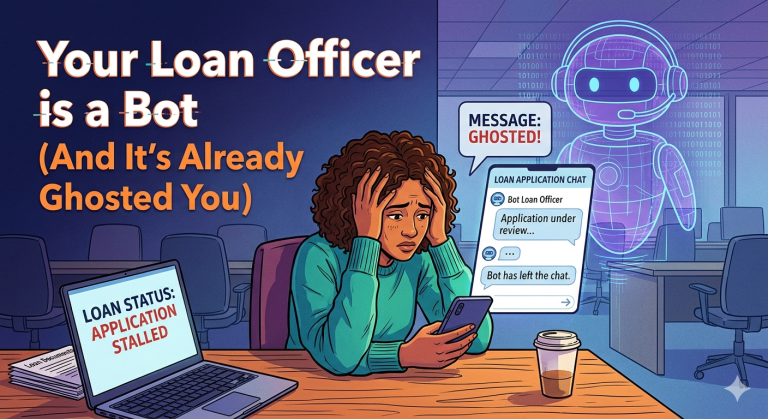
Your Loan Officer is a Bot (And It’s Already Ghosted You)
GHC Funding Website Published: May 1, 2026 Updated: May 4, 2026 Categories: blog Reading Time: 3 minutes read Why the “Black Box”…
Read more →
Why Real Estate Investors Have Stopped Showing Tax Returns
GHC Funding Website Published: May 1, 2026 Updated: May 4, 2026 Categories: blog Reading Time: 4 minutes read Real Estate Investors Have…
Read more →
The Rich Use Debt Differently Than Everyone Else — And That’s Why They Keep Getting Richer
GHC Funding Website Published: April 30, 2026 Updated: May 4, 2026 Categories: blog Reading Time: 5 minutes read Guest Post for GHC…
Read more →
The Banking System Is Failing Entrepreneurs — Here’s Why Smart Business Owners Don’t Care
GHC Funding Website Published: April 30, 2026 Categories: blog Reading Time: 5 minutes read The Banking System Is Failing Entrepreneurs — And…
Read more →Ready to Take Your South Carolina Business to the Next Level?
If you’re a business owner in South Carolina looking for funding, consider an SBA loan from GHC Funding. Our team of financial advisors has years of experience helping businesses secure the funding they need to grow and succeed. With our expertise and the benefits of an SBA loan, we can help you take your business to the next level. Contact us today to learn more and get started on your SBA loan application.
Get a No Obligation Quote Today.

Use these trusted resources to grow and manage your small business—then connect with GHC Funding
to explore financing options tailored to your needs.
GHC Funding helps entrepreneurs secure working capital, equipment financing, real estate loans,
and more—start your funding conversation today.
Helpful Small Business Resources