Contributing Author & Editorial Review
This article was crafted and reviewed by experienced professionals to ensure accuracy and practical insight.


DSCR Rental Loan Highlights
- Qualification based mainly on property cash flow (DSCR).
- No personal income docs required for many programs.
- Financing for 1–8 unit rentals, portfolios, and many STR/Airbnb deals.
- Up to 80% LTV on purchases and 75% LTV on cash-out (program-dependent).
- 30-year fixed and interest-only options available.
Debt Snowball vs. Debt Avalanche: Which is Right for Your Arkansas Business?
As a business owner in Arkansas, you know that managing your finances is crucial for the success of your company. One of the biggest challenges for any business is dealing with debt. Whether it’s from loans, credit cards, or other sources, debt can quickly accumulate and become overwhelming. It’s a common struggle for many Arkansas businesses, but the good news is that there are strategies to help you pay off your debt and become financially stable.
- Debt Snowball vs. Debt Avalanche: Which is Right for Your Arkansas Business?
- The Debt Snowball Method
- The Debt Avalanche Method
- Real Arkansas Business Owner Story
- Credit Score Requirements for Debt Snowball and Debt Avalanche
- How Long Does Approval Take?
- Common Mistakes Arkansas Business Owners Make
- FAQs
- Ready to Take Control of Your Debt?
When it comes to paying off debt, two popular methods are debt snowball and debt avalanche. Both approaches have their merits, but they work in different ways and may be better suited for different situations. In this blog post, we’ll dive into the details of both methods and help you determine which one is right for your Arkansas business.
The Debt Snowball Method
The debt snowball method is all about momentum. It involves paying off your debts in order from smallest to largest, regardless of the interest rate. Here’s how it works:
Need capital? GHC Funding offers flexible funding solutions to support your business growth or real estate projects. Discover fast, reliable financing options today!
⚡ Key Flexible Funding Options:
GHC Funding everages financing types that prioritize asset value and cash flow over lengthy financial history checks:
DSCR Rental Loan
- No tax returns required
- Qualify using rental income (DSCR-based)
- Fast closings ~3–4 weeks
SBA 7(a) Loan
- Lower down payments vs banks
- Long amortization improves cash flow
- Good if your business occupies 51%+
Bridge Loan
- Close quickly — move on opportunities
- Flexible underwriting
- Great for value-add or transitional assets
SBA 504 Loan
- Low fixed rates through CDC portion
- Great for construction, expansion, fixed assets
- Often lower down payment than bank loans
🌐 Learn More
For details on GHC Funding's specific products and to start an application, please visit our homepage:

Step 1: List Your Debts
The first step is to make a list of all your debts, including the total amount owed and the minimum monthly payment for each. This could include credit card balances, loans, or any other types of debt you have.
Step 2: Start with the Smallest Debt
Next, you’ll focus on paying off the smallest debt first. This could be a credit card balance of 0 or a small loan with a balance of ,000. The key is to start with the smallest amount owed, regardless of the interest rate.
Step 3: Pay Minimum Payments on Other Debts
While you’re working on paying off the smallest debt, make sure you continue to make the minimum monthly payments on your other debts. This will ensure that you stay current on all your payments and avoid late fees or penalties.
Step 4: Snowball Effect
Once you’ve paid off the smallest debt, take the amount you were paying towards that debt and roll it into the next smallest debt. This creates a snowball effect, where your payments get bigger and bigger as you move on to larger debts.
Step 5: Repeat Until All Debts are Paid Off
Continue this process until all your debts are paid off. As you work your way through the list, you’ll have more and more money to put towards each debt, making it easier to pay off larger balances.
The debt snowball method is popular because it provides a sense of accomplishment and motivation as you pay off your debts one by one. It’s a great strategy for those who need a psychological boost to stay on track with their debt repayment.
The Debt Avalanche Method
The debt avalanche method takes a different approach to paying off debt. Instead of focusing on the smallest debts first, it prioritizes paying off debts with the highest interest rates. Here’s how it works:
Step 1: List Your Debts
Just like with the debt snowball method, you’ll start by making a list of all your debts and their interest rates.
Step 2: Order by Interest Rate
Next, you’ll prioritize paying off the debts with the highest interest rates first. This could be a credit card with an APR of 20% or a loan with a high interest rate.
Step 3: Pay Minimum Payments on Other Debts
Similar to the debt snowball method, you’ll continue to make the minimum monthly payments on your other debts while focusing on paying off the highest interest rate debt.
Step 4: Avalanche Effect
As you pay off each debt, you’ll have more and more money to put towards the next highest interest rate debt. This creates an “avalanche” effect, where your payments continue to grow and help you pay off your debts faster.
Step 5: Continue Until All Debts are Paid Off
Continue this process until all your debts are paid off, starting with the highest interest rate and working your way down. This method can save you money in the long run by paying off high-interest debts first.
The debt avalanche method is best for those who want to save money on interest and are comfortable tackling larger debts first. It may take longer to see progress, but it can be a more cost-effective strategy in the long run.
Real Arkansas Business Owner Story
Let’s take a look at a real Arkansas business owner who was struggling with debt and used one of these methods to become financially stable.
John is the owner of a small business in Little Rock, Arkansas. When he first started his company, he relied heavily on credit cards to cover business expenses. As his business grew, he took out multiple loans to expand his operations. But as time went on, John found himself drowning in debt with high-interest rates and large monthly payments. He knew he needed to find a solution to get his finances back on track.
After researching different debt repayment methods, John decided to try the debt avalanche method. He listed all his debts and started with the one with the highest interest rate, a credit card with an APR of 18%. He continued to make minimum payments on his other debts and put any extra money towards the credit card balance.
As he paid off each debt, he had more money to put towards the next highest interest rate debt. It was a slow process, but John was determined to become debt-free. After a few years of hard work and dedication, John successfully paid off all his debts and was finally able to focus on growing his business without the burden of debt weighing him down.
Credit Score Requirements for Debt Snowball and Debt Avalanche
Both the debt snowball and debt avalanche methods don’t have any specific credit score requirements. They can be used by anyone looking to pay off their debts, regardless of their credit score. However, it’s important to note that your credit score can impact your ability to get approved for certain loans or refinancing options, which may be necessary for these methods to be effective.
How Long Does Approval Take?
The amount of time it takes to get approved for a loan or refinancing will vary depending on your financial situation and the lender’s processes. Generally, it can take anywhere from a few days to a few weeks to get approved for a loan or refinancing. It’s important to plan ahead and give yourself enough time to go through the approval process before you start implementing a debt repayment strategy.
Common Mistakes Arkansas Business Owners Make
When it comes to managing debt, there are a few common mistakes that Arkansas business owners make. These include:
- Not making a budget and sticking to it
- Ignoring high-interest debts
- Taking on more debt without a solid repayment plan
- Not seeking professional help when needed
Avoiding these mistakes can help you stay on track and successfully pay off your debts.
FAQs
Q: How do I know which method is right for me?
A: It ultimately depends on your personal preferences and financial situation. If you need a psychological boost to stay motivated, the debt snowball method may be the right choice for you. If you want to save money on interest and are comfortable tackling larger debts first, the debt avalanche method may be a better fit. It’s important to explore both options and determine which one aligns with your goals and needs.
Q: Can I use a combination of both methods?
A: Yes, you can use a combination of both methods to pay off your debts. For example, you could start with the debt snowball method to gain momentum and then switch to the debt avalanche method once you’ve paid off a few smaller debts.
Q: Should I seek professional help for managing my debt?
A: If you’re feeling overwhelmed or unsure about how to tackle your debt, it may be beneficial to seek professional help. A financial advisor or credit counselor can provide personalized advice and help you create a plan to pay off your debts and improve your financial situation.
Q: Are there any debt repayment resources available for Arkansas businesses?
A: Yes, there are several resources available for Arkansas businesses looking to manage their debt. GHC Funding offers a variety of loan and refinancing options for businesses of all sizes and can help you determine the best strategy for paying off your debts.
Get a Free Rate Today
Compare our top-rated commercial and investment property loan programs below.
- No income verification
- 30-year fixed | Interest-only available
- Great for rental properties + STR
- Fast approvals
- Working capital + business acquisition
- Up to $5M
- Low down payment
- Long-term financing
- Owner-occupied CRE
- Low fixed rates | 25-year terms
- Great for business expansion
- Refinance available
- Best for stabilized properties
- Competitive rates
- 12–25 year terms
- Lower fees than private lenders
Compare Loan Types
Find the Right Financing for Your Real Estate or Business Project
| Loan Type | Best For | Rates | Terms | Highlights | Apply |
|---|---|---|---|---|---|
| DSCR Loan | Rental properties (LTR & STR) | 5.99%+ | 30-year fixed, IO options | No income docs, fast approvals, great for investors | Check My Rate |
| Construction Loan | Ground-up, fix & build, major renovations | 8%–12% depending on scope | 12–24 months interest-only | Flexible draws, great for builders & developers | Get a Quote |
| SBA Loan | Business acquisition, working capital, CRE | Prime + spread | 10–25 years | Lowest down payments, long terms, best for business growth | See My Options |

How to Get Funded Now
GHC Funding Website Published: May 4, 2026 Categories: blog Reading Time: 3 minutes read The 2026 Growth Paradox: Why 76% of Businesses…
Read more →
Stop Using Your Own Money: The “Velocity Strategy” Professional Investors Use to Scale in 2024
GHC Funding Website Published: May 1, 2026 Updated: May 4, 2026 Categories: blog Reading Time: 3 minutes read By the GHC Funding…
Read more →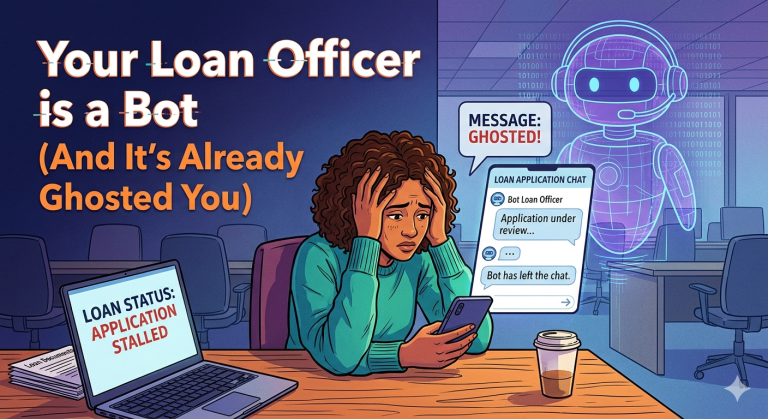
Your Loan Officer is a Bot (And It’s Already Ghosted You)
GHC Funding Website Published: May 1, 2026 Updated: May 4, 2026 Categories: blog Reading Time: 3 minutes read Why the “Black Box”…
Read more →Ready to Take Control of Your Debt?
If you’re a business owner in Arkansas struggling with debt, you’re not alone. But there are solutions available to help you become financially stable and pay off your debts. Consider the debt snowball or debt avalanche method and reach out to GHC Funding for personalized advice and assistance. We’re here to help your business succeed financially. Contact us today to learn more!
Get a No Obligation Quote Today.

Use these trusted resources to grow and manage your small business—then connect with GHC Funding
to explore financing options tailored to your needs.
GHC Funding helps entrepreneurs secure working capital, equipment financing, real estate loans,
and more—start your funding conversation today.
Helpful Small Business Resources